Have you noticed that your husband now criticizes the very traits he once loved? Narcissists groom victims by presenting themselves as safe, loving, and trustworthy at first, to gain trust and lower a woman’s defenses before causing harm.
When women understand three common ways narcissists groom victims, they can begin to see what’s really happening. Grooming often works quietly. Emotional abusers use a cycle of praise, pity, and confusion to keep women questioning themselves instead of questioning his behavior. This is why grooming feels good at first, because the intent stays hidden until the damage is already underway.
To know if it’s grooming, you’ll also need to know if he’s using any one of these 19 different emotional abuse tactics. Take our free emotional abuse quiz to find out.

1. Narcissists Groom Victims With Compliments He’ll Later Use To Attack You
Narcissists groom victims with compliments that feel personal and sincere. Early on, they pay close attention to what matters to you, what you feel good about, and what you’re insecure about. Later, they use those same things to criticize, confuse, or control you.
This is why many women don’t see red flags before a relationship or marriage begins. At first, it feels like he truly sees you and appreciates who you are. Over time, you realize that what felt like love and admiration was actually preparation.
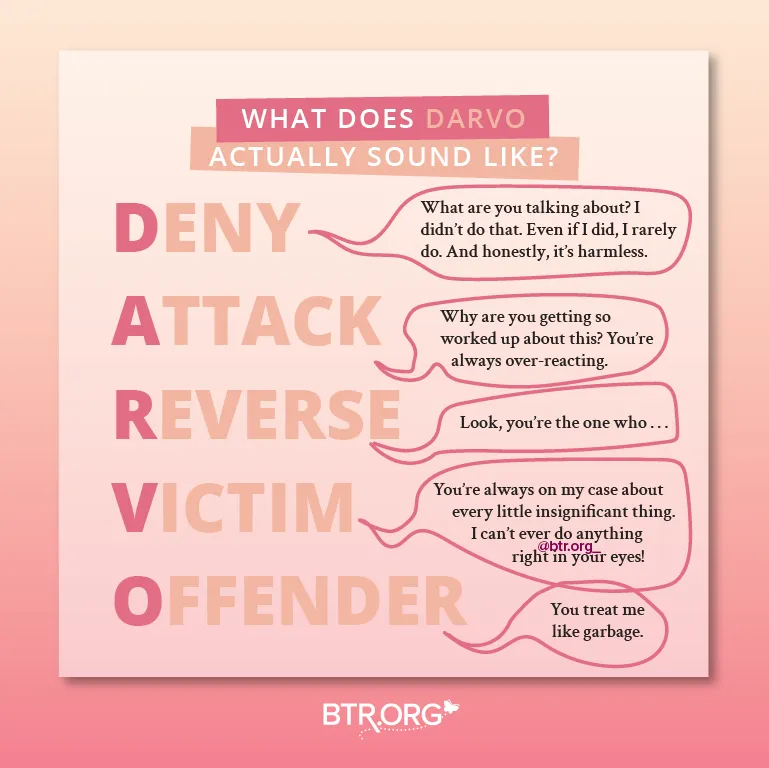
2.Narcissists Groom With DARVO
DARVO means Deny, Attack, and then Reverse the Victim and Offender roll. This is when someone who is truly hurting you claims that you are hurting them.
3. Narcissists Groom Victims With Sob Stories
Playing the victim is a common tactic narcissists groom victims with. The truth is that many, many people have had traumatic childhoods and it’s not a reason to abuse anyone. In fact, many people with traumatic childhoods are the healthiest people you’ll ever meet.
Abuse is a choice. When a narcissist says he’s lying (or any other abusive behavior) because of his traumatic childhood, he’s just trying to groom you into thinking he has a good reason or excuse. He’s also trying to make you feel sorry for him. He’s NOT choosing to be a healthy person. If he was, he wouldn’t have done it in the first place. To hear Chelsea’s entire story, read on or listen to the full podcast episode above.
Full Transcript: 3 Ways Narcissists Groom Victims
Anne: Today, I’m joined by a member of our community. We’re going to call her Chelsea.
Chelsea shares how her husband was grooming her in ways she couldn’t see at the time, and how his true character revealed itself gradually. It wasn’t obvious cruelty at first. He was charming, praised her, and even showed empathy.
As Chelsea shared her story, I noticed three familiar ways narcissists groom victims in the things her husband did repeatedly to confuse her. I want to briefly name these so you can listen for them as the conversation unfolds.
First, early compliments that later became weapons. Traits he admired at the beginning were eventually used to criticize.
Second, DARVO—deny, attack, and reverse victim and offender. When confronted about harm, he claimed he was the one being hurt.
And third, sob stories designed to pull empathy, which later became excuses for harmful behavior.
So listen for these as Chelsea shares her story. Welcome, Chelsea.
Chelsea: Hi. I’m so glad to be here. Betrayal Trauma Recovery has helped me so much.
Anne: When you first met your husband, or maybe when you first got married did you recognize his behaviors as abuse?
Chelsea: No, I definitely didn’t. I guess everything’s hindsight 20/20, but at the time I was a single mom of two kids myself, so I don’t know if it was just insecurities. It happened slowly, and it circled around insecurities I had so I didn’t really notice it at first.
Anne: When did you start recognizing like something’s not quite right?
1. Narcissists Groom By Giving Compliments They Will Later Attack You With
Chelsea: I would say it was like, a few months into dating. I guess the biggest thing for me was all the things he originally complimented me about or liked about me, he made comments about that in a derogatory kind of way. So, I guess that’s why they recognize it as abuse. I remember being emotionally distressed but not really understanding why.
Anne: So, he kind of changed his tune? So, I’m just using this as an example. Maybe he said you’re so beautiful, I’m so attracted to you, and then later maybe he was like you’re not attractive to me.
Chelsea: Yeah, a couple of examples early on where I was single and I have a really good co-parenting relationship with my ex-husband. I had the perfect situation for me, I had my kids during the week and on the weekends.
I was 25 years old back then; this was five years ago, and I kind had the best of both worlds. I’m a very social butterfly, life of the party kind of person and I love to wear red lipstick. That’s just a small example because he did end up using that against me a lot. It was like one of those weird off to the side things, but stuff like that.
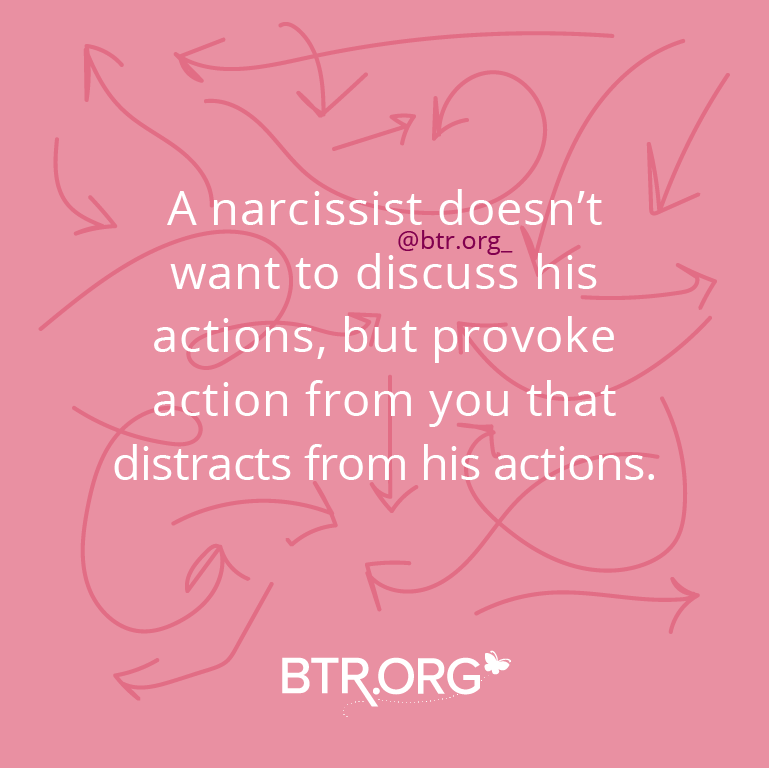
He complimented me that I am so fun, and he likes how I do my makeup and stuff like that. And then even like how I am a good mom. Then fast forward a few months, it all slowly started going downhill.
He started saying things like you have children at home, why are you acting like this? And why do you wear makeup like that? That’s really how the very beginning of it started.

Recognizing The Abuse
Anne: This is the first way narcissists groom victims, by giving us compliments. And we’re so grateful to have someone see us. Notice us appreciate us. Then later they use those same things that they once complemented us about against us. So later they weaponize what they learn about us, and then they use the thing that they complimented us about against us later. These narcissist husbands don’t want us to leave.
Which is such a betrayal. So many victims don’t see any red flags before they get into a relationship or marriage, because the grooming is so specific to us. They’re very good at manipulating us to feel like they truly see and appreciate us in the beginning.
Then they purposefully compliment us, then later weaponize it. So at the time, were you thinking, okay, once we’re married, then he’ll go back to realizing how great I am.
Chelsea: Yes and no. I got getting pregnant about a little less than a year of dating, and that was a whole fiasco. Right before I getting pregnant, I tried to cut it off. It took me years to realize it was abuse. So that definitely never really came into my mind, but it was so emotionally tumultuous.
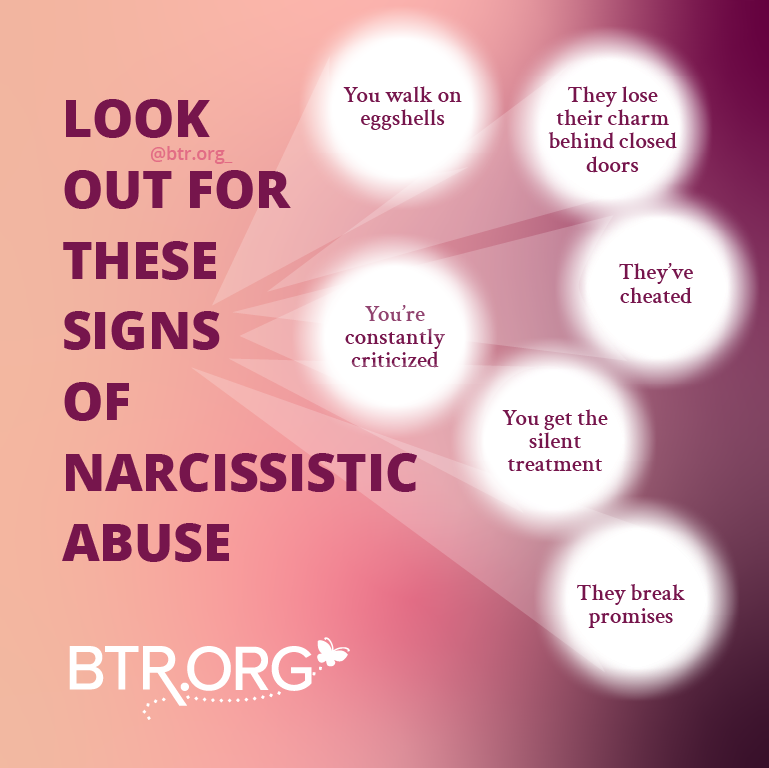
I don’t know if that is a good word to use. I was like I can’t do this anymore. The way he would degrade me or like the way fights would go. I was like, I don’t want to do this anymore. And then that cycle of abuse was already in play. That wasn’t really any different than after we were married, but I tried to break up with him.
Narcissists Groom Victims Off & On To Keep Them Hooked
I actually moved away, a couple hours away, for a job. This will help me cut it off because it’s really hard to cut things off with an abuser.
To me that was like my way; you know, emotionally I was having a hard time cutting it off because he would always come back around. I thought if we’re physically not in the same place this should be good.
Well, he came to visit me on the weekends. It would always be this big whole thing. Narcissists groom victims using the cycle of abuse, and that definitely was happening still. Then I ended up finding out I was pregnant.

In hindsight, I tell the story sometimes now; I have multiple kids and this instance was like the only time I remember just like falling and sobbing on the floor. At the time, I just had started this new job, I was trying to start this new life.
I think it was more of that subconscious knowing that what was really happening underneath all of it was the abuse I was going through. How that was just going to make it so much worse, and it did.
Anne: So, you were married because you were pregnant, essentially?
Chelsea: Basically, yeah. Like he ended up begging for me back and like wanting to make it work and of course, add a pregnancy in there and you’re already vulnerable. Like in these cycles, at least that’s how it was for me, these cycles come around and add a pregnancy in there and it’s like, I really want this to work now.
Horror Honeymoon With an Abuser
I already have two other kids. I don’t want to have another kid and be a single mom. At that point, I still really wanted to be with him, but I was like fighting that war with myself. I just wanted to believe him when he said he wanted to make it work. So yeah, we ended up getting married, and even our wedding night was just horrible.
Anne: A lot of people have horror honeymoon stories or wedding night stories. Yeah, that’s awful.
So, you’re married and you’re pregnant. So many victims of emotional and psychological abuse, try to resist the abuse. By trying to stop it through common marriage advice, like loving serving, forgiving. Like being more understanding, thinking that if they act differently, it will protect them from the abuse.

It’s a really common form of resistance to abuse. What was your experience with this type of resistance to the abuse?
Chelsea: So, we end up getting married after the baby was born, he was a few months old at the time, because all this whole drama played out for a while before I ended up moving back and everything. But I didn’t notice, I moved back and that’s when I quit my job and like pretty much left my career.
I had a corporate career at that point, to be with him and be a stay-at-home mom. That’s like really what I thought I wanted at the time.
Anne: Yes, that is common, narcissists groom victims by making them dependent on them. Really quick, what’s his job?
Chelsea: He’s in the military.
Anne: Okay, so he’s got a stable, respectable job.
Narcissists Groom By Making Them Fully Dependent On Him
Chelsea: Yes, and that was used against me all the time. So then things really turned once I was fully dependent on him. That’s when things got even worse. At that point, we did some counseling and things like that, just like typical stuff. It’s crazy looking back on it now because, I don’t know what I was thinking. I think I really was just going through the motions. I don’t know any other way to describe it.
Anne: What did he seem like to the counselors? Did he seem like a really upstanding good guy to the counselors?
Chelsea: Yeah, and even through the years, like he will admit that he has “problems,” it would always be like yes, I have problems but it’s not me. As ironic as that is, you know what I mean?
Anne: If you just love me for who I am and help me out, but they’re your fault, because you’re not understanding and because you’re not patient and because you’re not forgiving or something.
Narcissists Groom By Blame Shifting
Chelsea: Or he would always blame my family because he came from like a very well-off family, and I didn’t. So, he always tried to make it seem like you know, I have a lot of trauma from my childhood. Which I feel like that plays into it, at least for me personally, and ending up in a situation like this, to begin with.
He would use that against me. Like well, you’re the one who has mental health issues. You’re the one who has trauma. Like it’s clearly not me, the only issues I have is, you know, the cheating or the prostitutes or whatever the case may be. Like, you are the one who is basically “crazy.” That was just really hard because I think in a way, I believed it.
Anne: Yes, narcissists groom victims by blame shifting. So, when did you recognize that this was abuse?
Chelsea: Oh, gosh, you know, not until probably the last six months to a year before I ended up leaving, which was earlier this year. I didn’t realize it was actual abuse. This is something he would say too, I was abusive. I’m not an abuser.
Anne: I play tennis, but I’m not a tennis player.
The “Toxic” Lie That Narcissists Use To Groom Victims (& Therapists)
Chelsea: Yeah, then he would even be like and, a lot of things he would say to like multiple marriage counselors we went to over the years were like, well, I used to be the abusive one but now we’re equal. Now we’re just toxic because we’re equal. Like that really came into play the last couple of years before I ended up leaving.
Anne: Because an abuser would never admit that he’s abusive.
Chelsea: Yeah, I think that’s part of it.
Anne: Then they believed him, right. You know what, this is a catch-22 because they admit they’re abusive, and suddenly they’re like a saint. Wow, this is a man who can really be honest and stuff.
In that way, you’re thrown under the bus because it’s like he’s changed what’s wrong with you? And then if they won’t admit it, and they just present as this really great guy, then they also are like, he’s a great guy. Like it’s a lose-lose. Either way, the woman isn’t believed. It’s a toxic lie narcissists groom victims with.
When Therapists Don’t Call Out Abuse
Chelsea: Yeah, and I will tell you something that happened when I was pregnant before we got married, and I was going to counseling or like therapy. I wish sometimes that they would call it for what it is. My therapist made it known that she did not like him, like as much as she could in a professional way, you know.
In hindsight, I’m thinking why didn’t she just tell me that was abuse? Instead of telling me, that’s not okay. You know, she was very adamant about that, I could see the conviction in what she said. But now in hindsight, why didn’t you just tell me I was being abused?
At Betrayal Trauma Recovery, there’s a lot of validation in group whenever I would have a situation the BTR coaches would tell me “this is what’s happening.” That was very validating for me.
Anne: Yeah. That’s what we do here at BTR. Validate. How did you find BTR?
Chelsea: The podcast.
Anne: So you start listening to The Betrayal Trauma Recovery Podcast. And then did you start attending Betrayal Trauma Recovery Group Sessions?
Chelsea: I binge listened the podcast and I was like, Oh, this is my life. I knew I needed something to help me. So then I went to BTR Group. I tell everyone about BTR
Anne: You mentioned, it was really validating to attend Betrayal Trauma Recovery Group Sessions because the coaches were saying. This is abuse and you found that to be really validating and helpful. Why do you think having a group of women who really understand what you’re going through is so helpful for healing?
DARVO Is A Way Narcissists Groom Victims
Chelsea: I remember, I think my first session, I don’t even remember the incident that was happening, but I told one of the coaches. What was happening and they were like, that’s DARVO. And I’m like, I don’t even know what that is. And then when she told me, I was like, oh my gosh, like my mind was like blown because I was like, this happens to me constantly.
How did I never know there was a term for this? That gave me strength because they would label things .
Anne: So this is the second way that narcissist groom, their victims. To deny that they’re abusers then to attack their victim. And then to claim that they are the victim and there’s an acronym for this and it is DARVO.
So DARVO stands for DENY, ACCUSE (Or ATTACK), and then REVERSE the VICTIM and OFFENDER ROLES for example. Prominent people who are accused of rape,
Bill Cosby is a good example. Someone accuses him of rape. He denies that it happens. Then he attacks the victim and says, no, no, no, she’s just trying to get money. She’s just trying to get attention. I’m the victim here because she’s trying to ruin my life. So the victim offender role gets reversed.
So again, deny, attack, and then reverse the victim and offender role. This is the second grooming tactic of a narcissist. that we’re going to talk about today.
BTR Group Sessions Can Help You Process Trauma & Abuse
Chelsea: Yeah, now that I talk to more people about this openly, I say the same thing. I think that’s what it got to. It was like I could tell him he was abusive all day long, you know, that went on for 6-12 months after I put a label on it, and that didn’t really help because he would just deflect like he did everything else before I put a label on it.
I do feel like there’s a lot of validation, when I went to Betrayal Trauma Recovery Group, whenever I would have a situation in group, and they would tell me what it was, that was really validating for me. This is what’s happening, and it’s like okay. Because they make us question our reality so much.
Anne: I just want women to know that like, you don’t need someone else to tell you, although yes, it’s helpful, that’s what we do here at BTR. It’s abuse, it’s abuse, it’s abuse all day long. Because I’m like, I just wish women had that inside of themselves, but I’m so grateful that we’re here to help validate.
Chelsea: I think that goes hand-in-hand with the narcissist thing. Like people always want to know is he a narcissist? And I’m like well, it doesn’t really matter. The label doesn’t matter because how is he treating you?
I Get To Decide if I Want to Be In This Situation
Then I kept going through the process of moving out and everything, and something aside from the support and everything. Hearing everyone’s stories was really impactful for me, because I realized I didn’t know what the goal was.
I knew it was supportive, but I didn’t know like how it would be. Once I saw that they aren’t really persuading you to do one thing or another, and it’s more about making your own decisions and deciding for yourself what you want to do or what’s happening.
Hearing other people’s stories and realizing wow, I get to decide if I want to still be in this situation 5, 10, 20 years from now or not, you know. That was very enlightening for me, hearing other people how long they had to go through it. Like, that was a real wake-up call for me.
Anne: I think that’s one reason why women are afraid to join Betrayal Trauma Recovery Group they’re afraid that if they find out it’s abuse, or if they acknowledge it’s abuse, that they’ll have to get divorced from this narcissist. For example, and they’re just not quite ready to do that yet. Or some other version of that where they feel like they’ll go down a road they don’t really want to go down. A lot of women worry about that. What would you say to a woman who’s concerned about that?
Find Validation in the BTR Group Sessions
Chelsea: From my experience, I mean, I can’t say because like I had already planned on leaving when I did join, but from the stories I saw, I remember just really seeing how people could find even that little bit of safety. Like, no they weren’t ready to leave or maybe they don’t want to leave at all and knowing they could have support.
Their feelings are valid, what they’re going through is valid, and even just finding the strength to be able to stand up for themselves or self-care. I always remember them asking what our self-care was for the day, and I remember being like I don’t know, I don’t ever do self-care, you know.
It’s so important even when you’re in that situation, you’re so like spun out trying to survive and like keep your head above water. It’s like a breath of fresh air to be in a group where you’re understood and validated. Regardless of if you are planning to leave or not.
Anne: We wanted to make sure it was safe for everyone, no matter where they are in their process and no matter what their goals are at BTR.
Our goal is safety. We just want to help women feel validated and make their way to safety in whatever way that it looks like for them. So that’s our goal here. The BTR.ORG Living Free Workshop is to help women gain safety.
Narcissists Groom Victims With Gaslighting
From your perspective, why do you think it takes so long to understand that you’re being abused? Maybe someone is pointing it out to you. Why do you think it takes maybe someone saying hey, that’s abuse for victims to understand that they’re being abused?
Chelsea: For me personally, I think it’s the art of gaslighting or the manipulation involved where for so long before anyone has even become aware. Maybe you nobody knows this is what you’re going through. Narcissist husbands use gaslighting to groom victims.
The abuser told you that it’s you. I wish I could tell more people because anyone I talked to their first thing has always been go to marriage counseling and I’m like marriage counseling was so detrimental for me. It’s was like we go into session talking about the infidelity or like, the abuse, and everything, and somehow, we ended up talking about forgiveness and the five love languages.
Anne: I hate The Five Love Languages. That’s so funny that you say that. Anytime I hear somebody talking about his love language is this or my love language. I am like, ugh, throw that book in the garbage.
Chelsea: That can end up being used. Basically, just that you’re not giving me enough of this, so I treat you this way.
When Narcissists Groom Therapists
Anne: Yeah, this is my love language, and I deserve it. Right? Or I’m entitled to this because it’s my love language. Of course, they’re always going to say their love language is sex.
Chelsea: Yeah, exactly. Yeah, I’m just like, how did we start these sessions with this, and five weeks, six, eight weeks later we’re talking about how I need to forgive, or I need to put more positive bids into our marriage or just any of these marriage counseling things. I’m like this never; none of this got to the root of the problem.
Anne: It’s nonsense when it comes to abuse, but the weird thing is, marriage counselors in general don’t assess abuse first. They just literally go right into positive communication or let’s do a date night every week or you know, whatever.
If it really was an abuse situation, which all of these are, there’s no way you’d be telling somebody to go on a date with their abuser every week or even do the other things they say. It’s literally crazy.
Narcissists Groom Victims With The Unwitting Help Of Therapists And Counselors
Chelsea: To me, it’s the opposite of safety. You’re asking me to be vulnerable and to forgive someone who has not shown me that they’re a safe person.
Anne: Or trust someone who’s completely untrustworthy.
Chelsea: Yeah. They end up using that against you because, they’re the marriage counselor so you need to work on this. It’s like they bring up this list of things the marriage counselor told you to do and they’re not even working on whatever they told them to do.
Anne: Well, it’s hard to tell them what to do, because it’s like, don’t cheat. And they’re like, well, I haven’t cheated since I did last time, and I’m not going to do it again. So, what else can you say. That’s it.
Chelsea: Have more positive communication or whatever. I think that’s what makes it go on for so long. It feels almost like a video game or something. Like, you have to go through all these levels before you’re like okay, I’m not dealing with this anymore.
That’s how it feels to me. He made it seem like that too. Like, when they’re in the bargaining phase or whatever, they just start begging you to try one more time or try something different. So, it’s like, how many levels do I need to go through before this just isn’t going to work?
Narcissists Groom Victims As Part of the Cycle of Abuse
Anne: That’s part of grooming. It gives you hope that change might be possible, right?
Or they’re willing to work on it. It’s essentially just a grooming tool to hook you . Grooming is what is confusing all women about the abuse. There are these times where they “genuinely” want to work on it they’ll go to therapy, or they seem to understand.
They have these moments of what Looks like true introspection where they apologize and “I know how much I’ve hurt you and I don’t want to break our family up and, this is the most important thing to me in the world” all that is is grooming and grooming is abuse. I think people are seeing like, okay, it was good.
I think people are seeing like okay, it was good, and then it was bad. We were happy and he was nice, and then it was awful. They’re not recognizing that that nice part, that good part, that part that he’s “understanding it” or he’s cherishing you is abuse too.
Chelsea: This is my case, but I also think it’s a lot of people’s. The abuser doesn’t think they’re doing that or see that they’re doing that. So, it’s like unintentional. It’s almost like I can’t call that abuse because he’s not doing it intentionally.
Anne: So, this is confusing, right? Because you’re like, this is good. They were nice, they were kind, so are they good?
Narcissists Groom In Order To Maintain Control
Anne: An abuser’s goal is never real peace. An abuser wants control. He wants something from you. That’s the difference.
In those moments when he seems genuinely caring—when he sounds interested, repentant, or emotionally present, it can feel convincing. But there are strings attached. There is always a goal.
He becomes especially kind, attentive, and affirming when he wants something—sex, compliance, admiration, forgiveness, or access. That goal-oriented kindness is what makes it grooming. Narcissists groom victims by using affection as a tool, not as a reflection of who they truly are.
Once he gets what he wants, the tone shifts. Devaluing follows. Sometimes discarding follows. That’s because the connection was never about mutual care, it was about extraction.
Genuine love doesn’t work that way. When someone truly cherishes you, their kindness doesn’t depend on getting something from you. They don’t turn affection on and off based on access or advantage. They think you’re amazing whether or not they benefit. There’s no hidden agenda, just appreciation. That absence of strings is the difference between grooming and real love.
Narcissists Groom Victims To Protect Themselves & Exploit”
Anne: When you say that they don’t intend to hurt me or they don’t intend to be abusive, right? So, a lot of people will be like well, they don’t know they’re abusing me, so how can it be abuse? That’s not what defines abuse. What defines abuse is that it’s harmful to someone else.
So, they don’t have to know what they’re doing in order for it to be harmful to you. The abuse is the harm. It’s not necessarily their intent. But if their intent is completely selfish and goal-oriented then it’s exploitative, and it’s abusive.
For example, their intent might be I just don’t want her to know the truth because if she found out the truth, she would kick me out of our apartment. So, the intent is not to get kicked out of the apartment. They’re not thinking, I’m going to abuse her, I’m going to lie.
The only thing they’re thinking is, I don’t want to get kicked out of the apartment. So, their intent is to deceive so that they can maintain their entitlements so that they can exploit you and so that they can maintain their status. None of that is ever thinking oh, I’m going to abuse her on purpose. Narcissists groom victims to protect themselves and exploit.
Chelsea: That was so good because that’s something in so many conversations I’ve had. What happens when, you said like getting kicked out of the apartment. When that conversation is more like I don’t want to lose you? Because I think that one’s really hard because then there’s the implied value as their spouse or partner or whatever.
A Narcissist Does Not See His Victim As A Person
Anne: In moments like that, when he says, “I don’t want to lose you,” it’s important to understand what that really means. An abuser doesn’t see his victim as a whole person. He sees a collection of things he wants—sex, domestic labor, financial stability, access to children, or social standing. Narcissists groom victims by making them believe this is love and care.
So, when they say I don’t want to lose you, what they’re saying is I don’t want to lose it. I don’t want to lose someone who’s going to vacuum the floor, or lose any money and have to pay you alimony or child support or anything. I don’t want to lose the privilege of looking like a great guy at church and showing up on Sunday with my wife and kids, my reputation.
My guess is if you really pressed this and said what is it about me specifically that you don’t want to lose? I don’t really think they would be able to answer it. I don’t recommend people asking questions like that because they could come up with an amazing answer and all you’re doing at that moment is handing your abuser a shovel to further groom you with.
The abuser is in a trench, they’ve dug it through their own viewpoint, and they’re really entrenched in there. We never want to give them a shovel to dig themselves any deeper into that trench. Questions like that are going to just be handing them a shovel. They’re either going to groom you more or they’re going to abuse you in some way, devalue you in some way. Either way, it’s abuse to you and it’s an unsafe situation.
It’s Not Your Fault
You would know if they valued you already, you would feel it. If they really genuinely valued you, and it would be consistent over time. You would not have abuse and then grooming and then abuse and then grooming. You wouldn’t feel like you were married to Jekyll and Hyde.
Chelsea: Yeah, that’s what was hard for me for so long. I thought this vulnerable victim-part of himself that he would show me with him, and then start getting the whole picture and that all was part of him. The big part for me, I know everyone’s different.
I stayed so long because I in a way I guess I was codependent and that I felt bad that he suffered so much, that he had these issues. And I’m sure there was a lot of grooming as well.
Anne: Yeah. Well, think about like a girlfriend who’s been through really hard times who is like a good friend of yours. Like she’s kind, she’s supportive, she validates you. She does not use her difficult story or her difficult upbringing as a weapon to abuse you or to excuse her mistreatment of you.
She doesn’t use it to try and get people to feel sorry for her. Her response to her trauma was post-traumatic growth where she was like, you know what I’m going to go to college, and she’s just an incredible, amazing person. There are so many people who have had very difficult situations in the past, they’ve had trauma in their childhood, and they don’t abuse other people. They make really good choices. They think that is not the kind of life I want.
Narcissists Groom Victims With Sob Stories
So let’s stop right here to point out this third way to recognize how a narcissist groom. Number three is that they try to get people to feel sorry for them. They want to say, “ell, I was abused as a kid and my life was really hard. I know someone who went through that, and they don’t abuse their wife. None of that is a reason.
Think about yourself. You went through a very difficult situation, and maybe your upbringing was bad, I’m just saying the general you, and do you lie and manipulate people? We just need to remember that all these sob stories, told in this context, narcissists groom victims with sob stories. That’s their only purpose. The purpose is to make people feel sorry for them so they can get away with bad behavior.
Chelsea: Yeah, for sure, and he groomed me very early on, but I told you how it all started. Well, I would say a month or two even before that was when the grooming began. In hindsight, where he started opening up about his childhood and stuff. Or things he had done in the past, like with his ex-wife that brought him so much shame. All this other stuff he said and cried and everything. And now, I’m like a major red flag, major red flag, but in hindsight that was clearly when the grooming began.
It’s A Red Flag When They Start The Relationship With a Sob Story
Anne: Exactly. Narcissists groom victims by getting people to feel bad for them. So that’s another thing for all the listeners, is that if you start the relationship out with them trying to get you to feel bad for them, then you can just stand up and get an Uber and go home. You don’t want to start there.
If you’re early in your healing and you lead with how victimized you’ve been when you show up on a date, that can work against you. I’m not talking about getting validation at BTR or with close girlfriends, those spaces matter. I’m talking specifically about how you present yourself to someone you’re interested in dating.
That’s dangerous because then they’ll be like, oh, I can just tell them I’ll never do that to you, and I’ll never leave you and that is like giving someone a shovel. They groom victims by telling them they would never do that. I would say abstain from dating while you’re feeling that vulnerable until you can get strong enough that you would never lead with that in a relationship.
Chelsea: We don’t realize that it’s grooming even from day one.
I Am Whole. I Am Working My Way To Healing
Anne: A great way to start a date would be like my life is great. I love it. Even if it’s not. Then people are like well, you know you’re not vulnerable or whatever. But I’m just saying get yourself to your place where you feel like I am whole, I am working my way to healing, I’m doing really well.
That is a good place to start dating from, I think. Rather than I’m trying to date to get someone to help me or I need something. I think that’s just too vulnerable of a place for us especially when we’re in trauma. That it just sets us up for more victimization.
Chelsea: Yeah, that’s so good. I’ve done a lot of deep dives on my own story, you know, over time, and I still have revelations like all the time about things I’ve been through.
Anne: Even now, like seven years later, I’m still getting insights about like, why did I think that, or this is what was really happening. There are insights that we have over time where we’re like oh, that conversation wasn’t even about that.
Narcissists Groom with Misdirection
One thing I’ve come to recognize is that my ex would pick fights with me late at night, then leave the house claiming he needed to cool down. At the time, I believed that explanation. Now I’m certain that wasn’t why he left.
He left because he had something else he wanted to do. I don’t know exactly what that was, maybe acting out sexually, maybe something else entirely, but I do know this: he needed an excuse to leave. So he created one. He picked a fight so he could justify walking out.
In the moment, it felt real. It felt like an actual conflict. Looking back, I can see there was nothing to fight about. He manufactured the conflict to make his exit look reasonable.
That’s one way narcissists groom victims through misdirection. They create a false reality so you focus on the argument instead of questioning why it’s happening at all.
Many women experience this. They think, He’s not attracted to me, or I upset him and he stormed out. They don’t realize he may have decided he wanted to leave and simply needed a trigger. Maybe he criticized her cooking, knowing she’d react, so he could say, See? I need to go.
Chelsea: Yeah, I felt that it definitely happened to me a few times. I don’t know what he was doing, but that’s a very good point.
BTR Group Sessions Can Help You
Anne: Do you have anything you’d want to share with women who might be hesitant to join Betrayal Trauma Recovery Group Sessions—or who are listening for the first time and wondering, Is this really for me? Maybe they’re thinking this sounds extreme, or they’re not sure it even counts as abuse, especially since narcissists groom victims in ways that don’t look harmful at first.
Chelsea: I get like being hesitant because I think it’s like admitting it, admitting this as a problem. It’s almost like taking a huge step in itself, and maybe that’s where the resistance comes from, but for me, it was just so helpful.
There were times when an incident would happen, and I’d have to wait a week so my therapist, or maybe some don’t even have a therapist. Maybe your friends or family don’t know what’s going on. I know I didn’t always want to be calling them every time something happened.
I remember it was once I finally, joined, it what a relief to know anytime there’s an incident I could get on the same day. Sometimes I didn’t even need to talk about it, but being in that space where I felt safe and not alone. It’s such an isolating experience to be going through this. Even just sitting and listening helped because it made me not feel crazy. It made me not feel so alone.
Support The Betrayal Trauma Recovery Podcast
Anne: Our community is incredible, and I always say that when one of us has an epiphany, all of us have an epiphany. When one of us gets to safety, it makes it better for everyone. We’re all working on deliverance together. And together, we can make this world a safer place, starting with our own home and then spreading it out to other women across the globe.
I’m so grateful that you found us, and I’m grateful that shared your story. Thank you so much.
Chelsea: Thank you for having me.
Anne: If this podcast is helpful to you, please support it. Until next week, stay safe out there.


This is so solid! This made me cry… with hurt for you. This might now be my favorite ever online article about addiction and narcissistic abuse. Speak it, sister!
Living with a narcissist is so incredibly damaging! Thank you for shining light on the help that is available.
This is probably the best podcast I’ve heard on grooming. Its given me real insight and a fresh perspective. Please carry on making podcasts on this matter!
I cannot believe how spot on this article is. I’ve been in a relationship with a narcissist for several years now, and I can attest to the grooming tactics they use to isolate and control their victims. It’s like they have a manual on how to manipulate and exploit people. Thank you for sharing this important information, it really helps to validate my experiences and understand the situation better.
I think the hardest thing is for us who are honest and truly care about others. We cannot get our minds wrapped around what narcissistic partners do because we are not them. Partner of 6 years cheated on me with a convicted rapist of a minor and it plays on your mind. Leaving at the end of month, but know things will be tough. Nice to know others have and are going through this difficult period.
I’m so glad this is offered because people need to realize they couldn’t have done anything different. This is just a form of indoctrination. It’s really unforgivable not of human mentality.
Im in a situation with a narssisist grooming my children so its good to hear others veiws.
This really opened my eyes to the tactics narcissists use to manipulate and control. I didn’t even realize how subtle some of these were until you laid out like this. It’s honestly kind of shocking. Thank you for talking about this it helps so much to know I’m not alone.