
If you’re typing “sex addiction therapist near me” in a search bar after your husband has said he has an addiction, you’re not alone. For nearly two decades, I have helped women navigate betrayal and the confusing labels that surface in the midst of their searches for help.
But here is what matters most: The impact his behavior has on you.
Through over 200 long-form interviews and more than 8,000 clients served, clear patterns emerge in the marriages of women searching for this kind of treatment. Below are the most common ones I’ve seen in marriages where women later realized their husbands were either addicted, abusive, or both.
PATTERNS TO IDENTIFY BEFORE GOING THE ADDICTION RECOVERY ROUTE
1. EVIDENCE OF GROOMING IN THE RELATIONSHIP
Many women who’ve been through this describe feeling “swept off their feet” by their husband’s constant texting, love-bombing gestures, over-the-top generosity, pushing sexual or emotional boundaries, and talk of the future early in the relationship.
This is grooming…using manipulation to build trust and emotional dependence before his deception is exposed. And it’s a separate issue from “addiction.”
2. He Has HISTORY OF Secret INAPPROPRIATE BehaviorS
Often, when a woman pursues addiction recovery for her husband, it’s because of a painful discovery or many discoveries that he’s been secretly consuming inappropriate media, or engaged in online sexual chatting or affairs.
Secrecy around any of these behaviors is a major red flag.
3. He Lies Convincingly TO COVER HIS TRACKS
Many women describe feeling outsmarted by their husband.
- Know how to hide or erase his browsing history and chats
- Outsmart tracking methods or use multiple devices
- Turn your suspicions into accusations of “paranoia”
- Rewrite his own history of lying and infidelity
- Make you question your memory of facts and events
- Always having the “perfect answer” for your gut checks.
This is not miscommunication. This is gaslighting.
4. He Makes You Feel Crazy
When you sense something is wrong, he may respond with:
“You’re paranoid.”
“You’re imagining things.”
“Other people think you overreact.”
Over time, this erodes your trust in your own intuition.
5. He Explodes in Anger When Confronted
Another common pattern:
- Name-calling
- Yelling
- Throwing things
- Intimidation
Many women quickly learn to “stay in line” to prevent outbursts.
This is coercive control, a form of domestic abuse.
6. HE USES THERAPY OR “ADDICTION” TO AVOID ACCOUNTBILITY
Addiction-centered treatment can unintentionally silence victims.
Women are frequently told not to shame their husbands and to patiently support his recovery by working on her own triggers to his emotionally abusive behaviors.
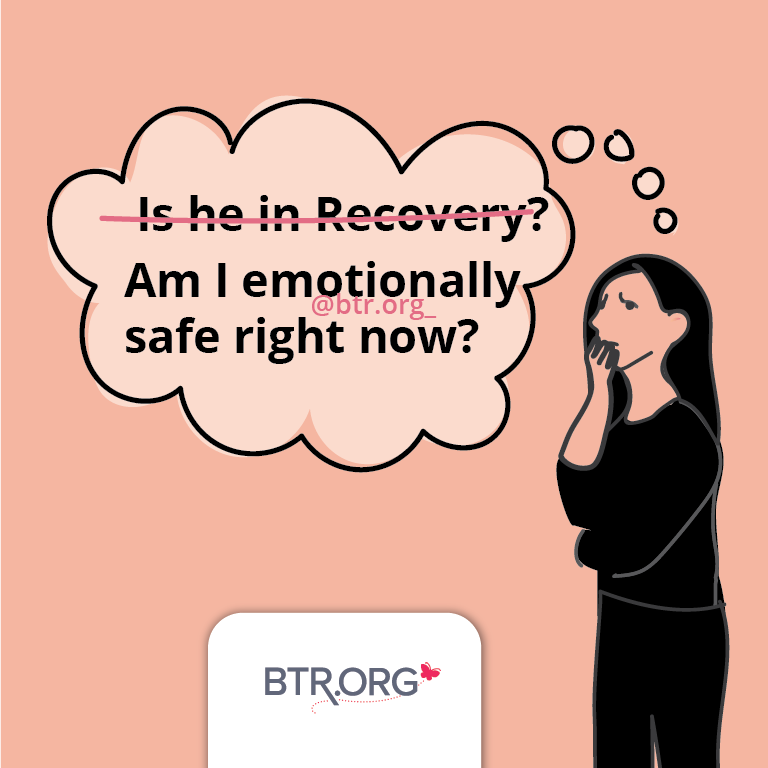
Meanwhile, no one asks: Are you emotionally safe?
A husband might be saying, “I can’t help it” or “I have a disease.” But typically he’s made many harmful choices by this point that created an emotionally unsafe environment for his wife, and the label of
it does not excuse harm.
8. He Minimizes or Redefines His Harmful Behavior
When confronted, many husbands:
- Promise change
- Claim therapy will fix everything
- Do the bare minimum
- Continue secret behavior
Minimization is part of the cycle.
9. He Shifts Blame to You
Common phrases include:
“If you were more sexual…”
“If you were more supportive…”
“You’re too controlling…”
“You’re the reason I hide things…”
Blame-shifting is not recovery.
It is manipulation.
10. You Feel Relief When You’re Away From Him
This may be the clearest sign.
Many women report that after separation or space, they feel more calm, confident, and stable.
Relief is information.
DOES HE REALLY NEED A SEX ADDICTION SPECIALIST NEAR ME OR IS THIS SOMETHING ELSE?
Here’s the hard truth: In the addiction model alone, your next steps are often going focus on helping him through a 12-step program, addiction therapy, or recovery support.
But if you recognize abuse, your next steps shift toward asking:
- Am I safe?
- What boundaries do I need?
- What support do I need?
The way you define what’s happening determines your next move.
The Problem With the Sex Addiction Model
The addiction framework can be dangerous because it centers his struggle to the point that it discourages women from calling his behavior emotionally abusive and it desensitizes women to manipulation.
When women are told not to “shame” him, they often silence themselves instead.
If he’s lying to you, that alone is enough evidence. You do not need a clinical diagnosis to know that the impact on you is abuse.
Final Answer: Is My Husband a Sex Addict?
Maybe. But the more urgent question is:
Is he trustworthy?
You do not need to diagnose him to know whether you feel safe.
If you are unsure whether your husband’s behavior qualifies as addiction, manipulation, or emotional abuse:
- Take the free emotional abuse test.
- Enroll in the Betrayal Trauma Recovery Living Free Workshop to determine your level of safety.
- Attend a Betrayal Trauma Recovery Group Session for validation and clarity.
After nearly two decades of helping women thrive after betrayal, one truth remains clear: You don’t need to figure this out alone.
Transcript: Is My Husband a Sex Addict?
Tragically, the sex addiction therapy community is focused on the causes of addiction, without focusing on how it affects an addict’s loved ones. Here’s the truth about the causes of sexual addiction.
Betrayal Trauma: The Result of Abuse, Not Addiction
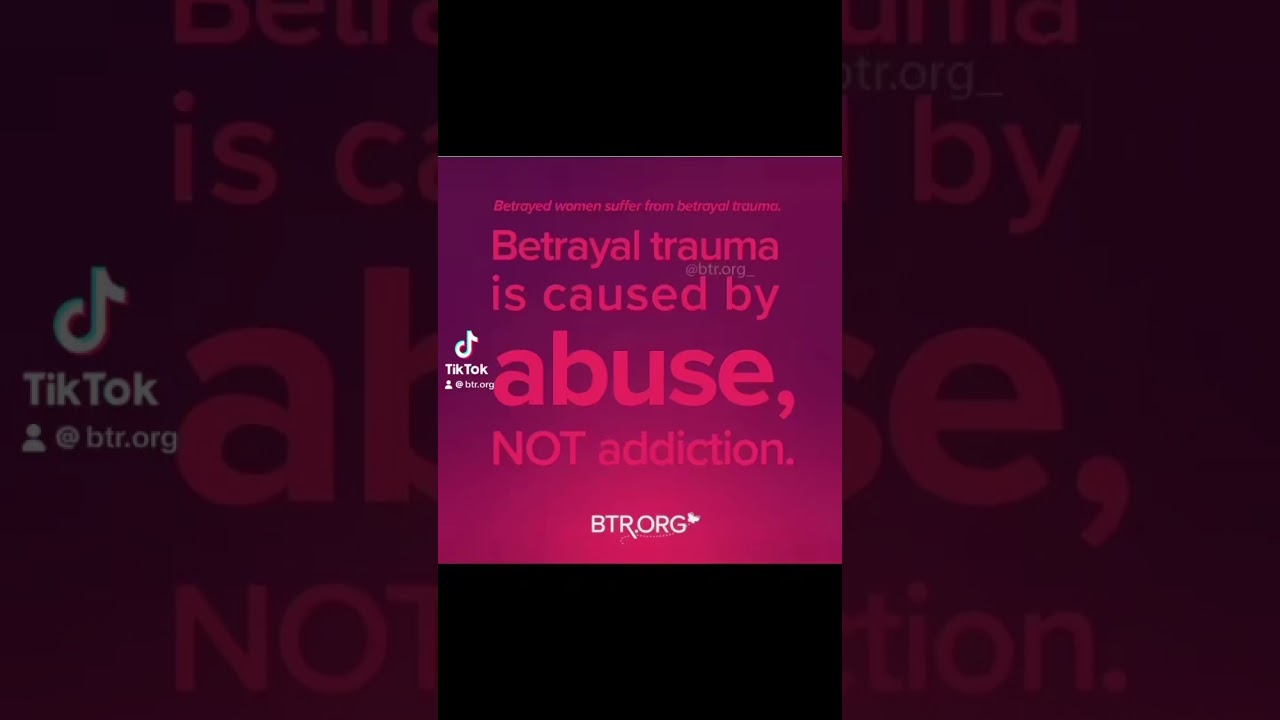
A man’s “addiction” can’t and doesn’t cause betrayal trauma. Betrayal trauma is the result of emotional, psychological, financial, spiritual, and sexual abuse.
To determine if you’re experiencing any one of the 19 types of emotional abuse, take our free emotional abuse quiz.
Instead, victims should avoid engaging with the abuser and set boundaries that protect them from the harm that comes from conversations and associations with partners who are known to harm them.
Counseling With and Confiding in Clergy
If a victims meets with clergy and her abuser, religious leaders tend to disbelieve, minimize, or humiliate the victim.
The secondary trauma can be debilitating. Instead, trauma victims need to seek support from trauma professionals, like the coaches at Betrayal Trauma Recovery. Our Betrayal Trauma Recovery Group Sessions happen multiple times a day and will provide the validation and support you need.
Isolation and Secrecy
Sometimes sexual addiction professionals counsel women to keep the “problems in the marriage” private. This is problematic, because pornography use and abuse are not a marriage problem – they’re an abuse problem.
Sometimes sexual addiction professionals make victims sign sex contracts or promise not to divorce the abuser for at least a year. Some even do polygraphs, but prohibit the victim from using anything in the polygraph in court, even if it’s criminal.
Transcript: The Truth About Betrayal Trauma & causes of addiction
Anne: I have a member of our community on today’s episode, we’re going to call her Cindy. Welcome Cindy.
Cindy: Good morning, thank you, Anne.
Anne: So Cindy, why don’t you just start with your story wherever you want to start?
Cindy: Sure, last February, I had what I now call my third and final D-Day in my relationship with my husband. I basically witnessed some behaviors that when I confronted him, it became evident to me that he had relapsed quite a time before. So basically, I found out again that he was in his addiction and lying for the three years prior. Being that I had some bottom line boundaries for myself, which was that I would not be in a relationship with an addict not pursuing recovery. And that I would not be kept in the dark again about my reality.
And after talking to him through this, it became evident that it was now time for me to say we couldn’t continue. We had been in recovery for 10 years post my initial D-Day, and I was comfortable calling it quits at this point. So since August, I’m legally separated. We are heading for divorce. It’s not a therapeutic separation.
Anne: So for women who just started listening to the podcast, let’s talk about a couple terms you brought up. Can you define D-Day for us?
Cindy: Yes, that’s a shorthand way of saying the day of discovery. Usually we use that term to describe the first day of discovery. The BTR coaches tend to use it for any discovery that has kind of redefined reality.
Recognizing Red Flags
Cindy: The original discovery when I first discovered his pornography use last February. I realized he had returned to using it. I talked to many women. Who, like myself, before I had the education I have now, think some of their relationships are on a path to healing.
But, until we know the signs, learn to trust our gut and pay attention to the red flags, and know about the causes of addiction. We can put faith in the fact that our spouses are on the right road. Or that good start is gonna last. And so, I’ve heard many women say, I knew about this, I found out about this, and I thought X, Y, and Z. I thought we were on the road to recovery. I thought he was doing well. Things seemed better. And then I discovered this.
Anne: Yeah, there are some people out there, some professionals that will say women know he’s lying and they’re in denial. I 100% do not agree with that. I think that’s victim blaming. Sometimes we don’t know. Sometimes we might sense something, but we take it to our abuser and he manipulates us.
And that’s why I wrote The Betrayal Trauma Recovery Living Free Workshop. it takes women step-by-step through a process that allows us to see the truth. Because he purposefully hides it from us sometimes. He wants us to separate from our gut feelings. Do you want to expand on that a little bit? Cause I’ve heard so many people say she’s just in denial, or she knew in her gut. Or she wasn’t in touch with herself. And I think women are in touch with themselves. It’s just the manipulation has caused such a fog.
Boundaries & Trust
Cindy: I could expound on this for days. Because I’ve been in the same boat, and you’re absolutely right. We are put in a position where somebody can criticize it no matter what we do. I wanted my marriage to make it, to give recovery a chance. I don’t have any regrets. Because I know that to have given my marriage a chance, I had to learn the boundaries, recognize the red flag. I had to learn to trust my gut. And know about the causes of addiction.
And at the same time, if it’s going to work, there’s going to come a day when I have to make myself vulnerable again. To say, I’m willing to extend my trust again, I’m not stupid, knowing that trust could be betrayed again. But if I’m not willing to take that risk again, I may as well call it quits in the beginning.
I remember one professional saying, you knew when you walked down the aisle, and I was like, no, I didn’t know. And he said, no, you knew. And I knew right then, and there I couldn’t get help from him. There’s no way I knew. I don’t know how people working with men with addiction or women for that matter can say that, because they know how successful men are in their deceptiveness. So how can I know what is deliberately and systematically kept from me?
Anne: Yeah, that’s exactly why I created the Living Free Workshop because these are the same professionals you’re talking about. They’ll admit he lied. They’ll acknowledge that. But then they believe what he says after. Like, how can we determine what is the truth? It’s so hard.
A SEX ADDICTION THERAPIST NEAR ME SHOULD KNOW ABOUT EMOTIONAL Abuse
Cindy: Right, and I get in trouble with those same professionals after that person accused me of knowing and marrying anyway. Now I’m being accused of not trusting, not forgiving. Why am I assuming there’s a lie? And I’m left confused and thinking nothing I can do is right.
Anne: It’s also just flat out not logical that we are the causes of addiction.
Cindy: Right, it’s not.
Anne: I’m so sorry that happened to you. I mean, they’re talking out of both sides of their mouth, and it makes no sense. Within the context of BTR, when we say the word recover. We’re talking about recovering from the injuries we’ve received from our husband’s abuse through his sexual coercion, using pornography without our knowledge, deceit, manipulation, gaslighting, emotional and psychological abuse. All the abuse that we talk about here at BTR.
Recovery & Healthy Living
Anne: So many women who listen to the podcast or come to BTR for our services. They’ve done pornography addiction recovery with their husbands, just like you have. And then 5, 10 or 20 years later, maybe after a therapeutic disclosure or 4 D-Days later, they realized like this is not working. So when you’re talking about your husband being in recovery, the causes of addiction, and an addict’s recovery can you define recovery in that context?
Cindy: To me, recovery is the process of becoming healthy. The goal is to lead a life. of integrity, healthy emotional coping skills. I’ve always felt like recovery is nothing more than living a healthy life. Recovery is not just now. To get to point B. Recovery is the rest of your life, because once you’ve got it down, it’s about healthy living.
So why would we limit healthy living? We want that for the rest of our lives. In more specific terms, what does that look like? Because anyone can say they’re living a healthy life. I think figuring out what a healthy life looks like. What are healthy coping skills? What does he do?
Anne: In pornography addiction recovery, they’ll tell you to observe if he’s going to a 12 step group, or going to therapy. And that’s an indicator that he’s in recovery.
Identifying Abusive Behaviors
Anne: But they don’t actually talk about abusive behaviors generally. Did anyone ever identify the problem as abuse, in your experience?
Cindy: No, when I had my D-Day. I kind of stumbled across the term trauma, and not right away. I never stumbled across the word abuse. To be honest, it wasn’t until BTR that I can look back on my own situation now and definitely see a cycle of abuse. You know, most people think abuse, and they think physical or even verbal. My husband was always calm and quiet, and he made me look abusive compared to an outsider who didn’t know what was going on because I was very expressive of my anger.
Never physical, but I verbalized it, whereas he would maintain a kind of silence. But I know the abusive nature of gaslighting and there was a lot of that. In the end, there was no denying that he knew he was robbing me of my reality. At one point, I told him, if you keep secrets from me, knowing how damaging it is to our relationship and to me, this is abusive and cruel. And to continue to make that choice, I think is abusive and cruel. But no, that lingo was not out there.
Anne: And I think that’s what’s hurting victims of abuse. We’re trying to get help, but the professionals are digging in the wrong place. When they focus on the causes of addiction. That’s a reference to Raiders of the Lost Ark for you kids of the 80s, like me, who watched it 10 million times. They’re digging in the wrong place! So a lot of women, when their husband seems interested in change, are looking for benchmarks.
Causes of addiction: Benchmarks vs. Safety Behaviors
Anne: And I recently did a video, it’s floating around on Facebook, if you follow us on Facebook at Betrayal Trauma Recovery, it’s our guide to boundaries. We have graphics on Facebook and Instagram.
If you follow us there at Betrayal Trauma Recovery. Many of the women we talk to, their guys are going to therapy. They’re going to a recovery group. But because they’re also gaslighting their therapist, many of them are just getting a big ego boost. Or like narcissistic supply from their therapist, and they’re not improving at all. The therapist bases it on perceived causes of addiction.
And similarly, with either 12 step group or their accountability group, they go there and they’re like the hero, and they’re not telling them the truth. They’re just getting more narcissistic supply there. We see that all the time. So I want to warn women that what you need to look for, rather than benchmarks, is actual safety behaviors. I teach women how to do that in The Living Free Workshop. And to get more information, click on this link.
Cindy: That’s what I meant in the beginning when I mentioned integrity. Because those benchmarks can just be check boxes that get checked off. They don’t add up to anything. There’s no real change in the relationship at home and in the way I’m treated.
Anne: I’ve heard women share how, when they weren’t being treated better. Even though he was “in recovery” with a sex addiction therapist near me. That he was like, well, I’m working on it, but what can you expect? I’m an addict, kind of a thing. Which basically amounts to he thought he had an excuse to behave that way.
WHEN SEX ADDICTION THERAPIST NEAR ME ENABLES EXCUSES
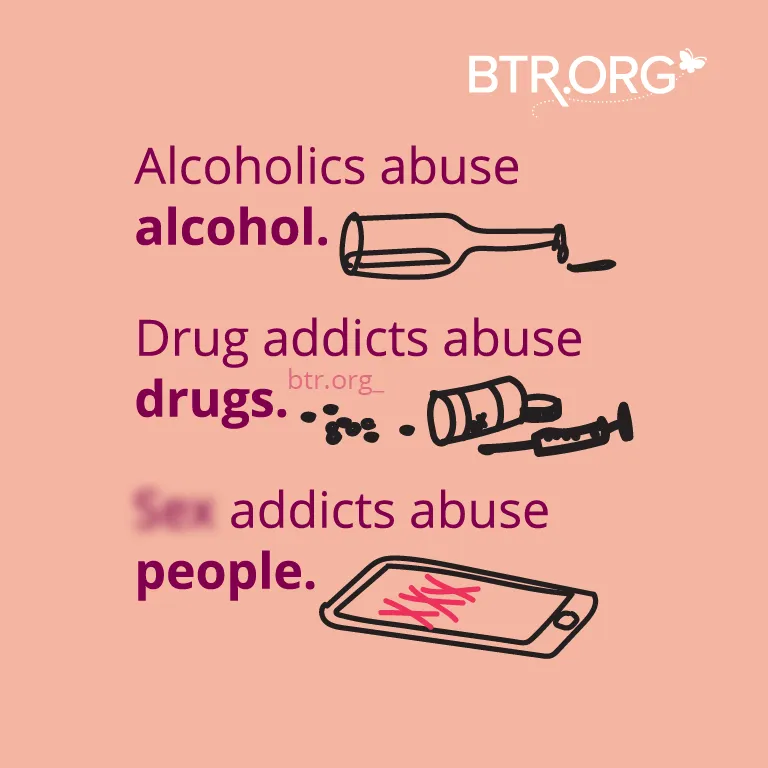
Cindy: It’s really not an either or situation. It implies that either sex addiction is real, or people engage in hurtful behaviors using addiction as an excuse and figuring out the causes of addiction. But in my opinion, both of these can be true. If your husband’s using this as an excuse, it’s not an excuse. It no more justifies the addict’s behavior than alcoholism justifies crashing your vehicle head on into another vehicle and destroying the lives inside. That’s not going to get you out of the consequences for that. It doesn’t mean you’re not responsible.
Anne: To our listeners, have you wondered if it’s just another excuse or if it’s addiction? We’d love to hear your comments. Scroll down to the bottom of this transcript and you can comment there. We’d love to hear what you have to say.
Cindy: Now, I want to say in this situation you can accept or not accept that there’s such a thing as sex addiction. And what are the causes of addiction. Either way, we’re affected
Anne: it would be like a smoker saying, I’m addicted to smoking. And that’s why I smoke in your face, car, bedroom and kitchen. None of those are excuses. So what? It’s not acceptable for you to smoke in my face.
Cindy: We need to protect ourselves.
Anne: Yeah, when an addict blames his family of origin, his wife, stressors of his job, oh man, like that happened all the time. I’m cranky and I’m irritable and I’m immature because I have a job. It’s like, no. That’s what I love about Betrayal Trauma Recovery is that we’ve all been there.
Conflicting Emotions
Anne: Like the therapist couldn’t understand why I told her my husband is abusive, and he has a pornography addiction, and I don’t want to get divorced. She couldn’t hold those three things in her brain at the same time. Yeah, it was like, well, if he’s abusive, then you want to get divorced. It was sort of like she thought I was crazy. And I thought, no, this is what’s happening. He is abusive, and I don’t want to get divorced.
That’s where I’m at. And so many times people, even when I got divorced, they said, oh, well, congratulations since he was abusive. And I’m like, no, not congratulations. I didn’t want to get divorced. That’s where I was. At Betrayal Trauma Recovery our coaches understand that from the beginning. They understand the causes of addiction.
Cindy: Most of us have experienced these conflicting things. When I found out about my husband’s addiction, I had been a stay at home mom for several years. In the midst of this, I remember personally feeling like I didn’t have any love left. But still not wanting to divorce.
I don’t feel guilty about that. That’s part of the trauma I was going through. I had a small child at home. I was lucky that I had a degree to fall back on. But there was a part of me that was just angry and thought, fine, that’s the life you want to live. You live that life, and I’ll continue to let you financially support me, and I’ll live the life I want.
Causes of addiction: Strength & Resilience
Cindy: That sounds kind of cold, and I eventually came to the conclusion that wasn’t how I wanted to live my life. When you have financial considerations. And you have children that you don’t want to live apart from, even part time. It’s something that weighs on your heart. People come to all kinds of decisions about how they’re going to handle this based on many reasons. I agree, your coaches are well trained to understand, because they have been there.
What I’ve found over and over again is that we are amazingly strong. It takes a lot of strength to pick yourself up from a situation you didn’t cause, you didn’t contribute to, and may not even have been aware of, and go get help for yourself. It’s unfair what we’re going through. But when people hurt us physically or emotionally, the person who hurt us can’t heal us.
Anne: You know, what’s sad about that is so many women feel they can’t live in their current situation. It’s untenable. But climbing out of the dark deep hole seems so difficult financially and emotionally. The prospect of getting help is scary and overwhelming. I wish life wasn’t like that. But it seems like the only option is either sitting in misery or working ourselves out of it. But there’s no magical thing that’s going to happen that’s going to make everything better once you figure out the causes of addiction.
Cindy: That’s the part that seems so unfair, but that’s where we find ourselves. I like the way you put that sit in misery or work our way out of it. It’s for us to decide, and we’re the only ones that can make it happen.
Recovery for Victims
Anne: Now at Betrayal Trauma Recovery, we define recovery for victims as like physical therapy. Or someone recovering from an accident or injury. So not that they’re sick or have some sort of mental disorder or something needing to recover like an addict. But more the recovery from the frame of reference of you’re injured and recovering from your injury.
When we use the word recovery in the betrayal trauma context, we’re talking about recovering from someone else’s harming you. You said if you’re not willing to trust again sometime in the future. I also want to share that many women aren’t sure if they’re willing to trust again, but what they’re willing to do is leave the light on. They’re willing to leave the door open just a little bit. Now interestingly enough, many victims, including me, are actually leaving the door open.
Not leaving the door open for like remarrying him or anything like that. He’s the one who needs to stop excusing behavior on the causes of addiction. I don’t think I’ll ever unblock him for my phone. But no matter if you’re still married, separated, or divorced. You can move forward with your life and live in reality, and see what he’s going to do is exactly what the Living Free workshop is about. You can move forward with your life focusing on your own dreams and goals. And if he wants to step into reality, awesome.
He can at any time. But in the meantime, you’ll have emotional safety. You’ll have psychological safety. And those safety strategies are in my Workshop teaches. Thank you so much, Cindy, for sharing your story today. I appreciate you being here.
Cindy: Thank you, Anne.
AN ADDICT CAN ALSO BE ABUSIVE
Anne: I have my friend Kate on with me today. We are just hanging out, chatting. About what is a sex addict called? Like what are you going to call your addict husband? If he’s got an addiction, are you going to say sex addict or will you call it something else? We are talking about that. So to put words in Kate’s mouth quickly, we both agree that pornography is addictive. We both agree that its use is abuse.
And then also the behaviors around it, the gaslighting, the lying, the manipulation. All those types of behaviors around it constitute emotional abuse, psychological abuse, and sexual coercion. So we both agree on that point. I prefer to use the word abusive. When we were talking before, Kate said, “No, I actually like the word addiction.” So Kate, can you talk about why you like using the word addiction?
Kate: I actually like both. I know there are some people out there who are like, maybe it’s not an addiction, maybe it’s a compulsion. So we’ll just get rid of the word addiction and call it all abuse. It does fit the definition of addiction. The research on the brain shows it is an addiction. I like to call it addiction simply because if you call it a compulsion, like some people have been doing, well, anything could be compulsive.
Did he eat a cake? Is he compulsive with a cake? Does he bite his nails compulsively? When you say, “Oh, my husband has a compulsive issue.” It just doesn’t hold as much seriousness as addiction does.
The Seriousness Of Addiction
Kate: It’s as if somebody who had cancer, were to say, “I have an illness.” Some people might be like, “Oh, is it a serious illness?” Other people might be like, “Oh, maybe it’s just a common cold.” The word addiction has more seriousness than compulsion. As far as either abuse or addiction, I just use both because they feed off each other so much.
I don’t think you can have sex addiction without some type of abuse. I don’t know about other addictions. I’ve heard from other people who said their husbands were maybe alcoholics, weren’t sex addicts, and weren’t abusive. I even did a poll once. Ninety-nine percent of betrayed wives experienced some type of abuse from their husbands.
Anne: I think the pornography use in and of itself is abuse. It’s abusive for trust, it’s abuse of your marriage contract and vows. To be faithful, for example, and not cheat on me. And I consider pornography use to be cheating, and so therefore it’s an abuse of those vows.
The reason I’ve dropped the word “addiction” is not because I don’t think it’s addictive. I absolutely think it’s addictive. The reason why I prefer to use the word abuse in all contexts is because addiction, to me, says this is what he is experiencing. I’m not so concerned about what he is experiencing. I am more concerned about what the victim is experiencing.
There’s the cause, and then there’s the effect. The effect to her, what she feels, and the way she experiences all his behaviors is always abuse. There’s no other word for it. So that’s why I prefer to say this is abuse, because of its effect on the victim of this scenario.
The Misconception Of Addiction
Anne: Most of the time, I’ve dropped the word addiction completely, and I always call it abuse. I don’t want people to get the wrong impression that I don’t think it’s addictive, because I do. I just think the word abuse really gets to the heart of what the wife is going through, rather than focusing on him and what he’s going through. For me, anytime someone says the word “addiction”, there’s this, oh, poor him, he’s got an addiction.
If someone tells the story, “This guy stole this car, he rammed into this stuff, he went around and he did all these bad things!” People would be horrified. Oh, wow, what a jerk or something. But if you say, “They got addicted to cocaine when they were young. Then they stole a car, they ran over a bunch of people.”
You say the same exact stuff, and they’re like, “He was addicted to cocaine.” I just don’t want there to be any pity for the addict. because they feed off of that and use that to victim blame and groom other people. So I prefer not to use the word addict to help keep victims safe. This is abuse, and I don’t care if you’re an addict or not. Who am I to say how you are experiencing this? What I’m concerned about is how your behaviors affect me.
Kate: Oh, I love that. I love you said that. I use the word addiction mostly when I interact with other women. There are times to use the word addiction, but yes, the main focus is what is happening to you is abuse. It’s not addiction that’s happening to you, it’s abuse.
Seeking Safety Over Marriage
Anne: Yeah, if a woman describes to me what is happening to her. And then she asks, Is my husband a sex addict? I’d be like, I don’t know. whether he’s an addict or not, but what I know is these behaviors you’ve just described are abuse. And we have thousands of women in our community. And my concern is that the words we use determine their next steps. The word addiction is dangerous because the first thing that comes to mind is 12 step recovery program.
She’s always been resisting this type of abuse. And she feels like a recovery program keeping her family together will be the safer route. She is doing what she’s supposed to do. She’s trying to get help. If she hears the word abuse, rather than try and keep her “marriage safe.” She’s going to think I need to be safe. How can I get myself to safety?
Kate: Completely different.
Anne: I would say it’s the victim’s first attempt to get to safety. She is trying to see if he goes to a 12-step program, or if he does this or that, will that make her safer? Meaning, will that change him into a safe person? She hopes through her attempts for safety, he will turn from being an unsafe person to being a safe person.
Technically speaking, if he did that, it would solve her safety problem. The unfortunate thing is, he just starts grooming more or lying more. It actually creates less safety. And she doesn’t know that.
Kate: If you think about it, you can even say, “Yes, your husband is being abusive.”
The Problem With The Addiction Model
Kate: They’re trying to be proactive about their lives, so they’re going to go online, they’re going to search things like, my husband needs help. Where’s the help?” There will be more help in the sex addiction field.
Anne: For their husband?
Kate: Yes.
Anne: Because everyone uses the addiction model. Let’s talk about why it’s scary. How would you describe it?
Kate: I’ll start at the beginning. First off, when people think of addiction, they think, “Oh, he can’t help it.” That is actually not accurate. There were even people back before AA started who believed they couldn’t help it. Yes, they have a brain disease in some aspects. You can verify that with brain scans, but it is a self-inflicted disease.
If a smoker smokes 12 packs a day and got lung cancer, would that smoker be like, “I can’t stop smoking. The cancer is making me do it. I can’t go and get treatment because the cancer is not letting me.” No, everyone would be like, that’s insane. So why is it that we do that when it comes to addiction?
“They can’t because they got a disease. They can’t help it.” So that is like the foundation of many of the whole addiction world; especially sex addiction. No, no, no, they still have agency. They still have choice. It is a self-inflicted disease. Their choices caused it, not the reverse. The sex addiction world hijacks it and makes it even more ridiculous.
Anne: With the sex addiction model, they don’t really know what to do with the victim. They say they use the trauma model, but then they won’t admit where the trauma is coming from. They refuse to say she’s traumatized by abuse.
Victim Desensitization In Therapy
Kate: Yo, it’s awful. It is awful. You say the word abuse in the sex addiction industry, and they’re like, [gasp!] “How dare you say that! You’re shaming the addict!” What? I’m literally stating a behavior they’re doing. You guys are making it worse. The whole industry is addict-centric.
Anne: Yes, it is not victim-centric.
Kate: It is not at all. Even if somebody says they’re a betrayal trauma therapist, if they’re coming from the sex addiction industry, it means they’re still in the addiction industry, still addict-centric. It’s like, “We’re going to help you handle your trauma so you can help your husband… or so you’re not shaming your husband… or so you’re not triggering your husband so he can get into recovery.” That’s not what it should be at all.
Anne: Or, so your husband’s abusive behaviors aren’t triggery to you. That’s the thing I see the most. For example, the husband is still abusive, and the sex addiction professional. Not somebody at our organization, Betrayal Trauma Recovery, but a so-called “betrayal trauma expert” will be like, “You’re just still being traumatized from the past when he used to use pornography. Now he’s not using it anymore, so I don’t know why when he says these things to you, it’s upsetting.
You’re just being triggered, so let’s work on your triggers.” They’re not recognizing he’s gaslighting her, he’s manipulating her, still emotionally and psychologically abusing her. And she’s still a victim of sexual coercion. You should not help a victim become desensitized to abuse. It feels like that is what the sex addiction industry is trying to do in their treatment of victims. desensitize you to this abuse.
The Danger Of Mislabeling Abuse
Anne: “Let’s help you be tolerant of the abuse, because otherwise your marriage will fall apart. You want to keep your marriage, right?” Instead of saying, “You’re a victim of abuse. He is an abuser.” The worst case scenario is happening right now. The worst case scenario isn’t divorce, let’s get you to safety. They refuse to go there.
Kate: They refuse. I can’t even count how many friends I’ve had who have gone to very popular, and you know who I’m talking about. Very popular betrayal trauma companies, whatever organizations, and they’ve had therapists.
Anne: That aren’t us. Let’s say that.
Kate: She had just spent long months trying to convince her husband it’s abuse, and he finally believes it. Then you have a therapist saying, in front of the husband, “Your husband’s not abusing you. No, what your husband did to you is not abuse.”
What’s going to happen? I guarantee the husband will be more abusive. He’s going to be more entitled. He’d be like, “Oh, I’m not abusive. A therapist said so!” It is so dangerous and so damaging to do that.
Anne: Two of the things the pornography addiction recovery world asks of a spouse of an addict. Or a victim of abuse would be number one, to not shame him, and number two, connect with him. I think it’s all they’ve got. They can’t think of anything else to say.

Shame & Its Misinterpretation
Anne: They have to pretend like it’s not that big of a deal, so that she’ll stay. Because they’re worried about her leaving. They don’t want his support system leaving him, because it could be bad for him. But they never stopped to think, is it good for her? In the pornography addiction recovery world, the main concern of these professionals is him. Their main concern is not her. At Betrayal Trauma Recovery, our main concern is her. Is she safe? Is she okay? Does she have her needs met?
Kate and I, again, I’ll put words in your mouth here, but we don’t actually think that shame is even a thing. Everybody feels shame. Some people feel shame, and they eat ice cream. And some people feel shame, and they go for a run. Some people feel shame, and they start crying. Shame is not the cause of someone looking at pornography.
Kate: It does not. It does not cause it. You have men who feel no shame for watching it. They did not grow up in religious culture. They did not grow up with any outside source saying it is bad. And yet they’re still having issues with it.
Anne: Exactly, they don’t feel shame, but they use shame to activate your shame to make you feel bad or guilty to manipulate you. The problem isn’t their overwhelming shame, it’s their lack of shame. Of course, to other people, they have to act like they have shame; otherwise, they would seem like monsters. There are also men who don’t look at pornography when they feel shame.
Healthy Shame
Anne: Shame is a normal human emotion that should not be avoided at all costs or that we should be striving to reduce. It’s something that happens that we need to be healthy about. A healthy person deals with their shame in healthy ways. An unhealthy person deals with their shame in unhealthy ways, but it’s not the cause of anybody’s behavior.
Yes, I understand where people have become more obsessed about the whole shame thing. If you talk about the actual dictionary definition of shame, it is not always bad. Brene Brown’s definition, shame is not good. But it can be healthy.
Anne: To put this in perspective, Brene Brown is trying to help people deal with their own shame. She’s not trying to help people deal with other people’s shame. But some people are actually bad people.
Kate: Yes.
Anne: If somebody skis every Saturday, they’re a skier. If someone plays tennis twice a week, they are a tennis player. If someone runs track and does baseball and all kinds of things, they’re an athlete. You are what you choose to do. So if someone is continually lying, they’re a liar. If someone continually uses pornography, they’re a pornography user. The Bible and whatever scriptures you use have a word for this. It is called wicked.
There is nowhere in the scriptures I have ever seen that says, “He was wicked because he felt shame. Then this wicked person stopped being wicked because they said, “You’re not a bad person; you’re not a wicked person, just these things you’re doing are wicked.” No, in the scriptures, it actually says they are a wicked person.
Scriptural Perspective On Wickedness
Anne: They are wicked because they choose evil things over and over again. Part of the accountability, honesty and authenticity is for these men to actually recognize I technically really am a bad person.
Kate: “You can’t say someone’s a bad person! That’s not who they are!”
Anne: Your behavior defines who you are.
Kate: So you’re saying Alfred Kinsey is not a bad person? I’m pretty sure we can call him a bad person. I can call him a bad, disgusting person because he was. It doesn’t mean they were always bad, and that doesn’t mean they can’t change. But right now, yeah, what they did, they are a bad person. Like we can’t call them bad, it actually makes it worse and fuels the problem.
Anne: Listen to the scripture: “I say unto you, nay, except you make our creator a liar from the beginning, or suppose he is a liar from the beginning. You cannot suppose such can have a place in the kingdom of heaven, but they shall be cast out for they are children of the kingdom of the devil.” There are other scriptures that say he is a child of hell. That probably wouldn’t be the wisest thing to say, but technically speaking, their choices have created a wicked character.
They literally are a wicked person. It never says anywhere in the scriptures, “They were wicked so we did not shame them. We told them, no, you’re not wicked you’re not bad, You’re good. And then they stopped being wicked.”
Then the advice, our loving Heavenly Father cast them out. In the scriptures, you will find it. It is all over the place.
Adults vs. Children In Accountability
Kate: I will add, just in case, because I’m guessing some people might listen to this and be like, “Wait a minute, but I grew up thinking I was a bad kid and it didn’t help me.” We’re not talking about children. We are talking about grown men, grown people who know better.
Anne: We’re talking about people who genuinely are making very sad decisions and hurting people. Children are just trying to figure stuff out. Children aren’t wicked.
Kate: Children are not bad. Whereas, an adult with a developed brain who knows better, he’s choosing to. You can always tell when they know better, because do they do this in front of their boss? Friends? Do they mistreat you like this in front of somebody else? If the answer is no, he knows what he’s doing. Unless he has some anger issue where he’s angry, literally to everyone, then maybe he really does legit have some disorder.
I would also say it’s not because of his childhood either. I used to even believe this, but the research actually does not show that. The research shows that when someone’s abusive, it’s because of entitlements, misogyny, that there are choices, not because of their childhood.
Anne: We all know people who have had a hard childhood, who are healthy adults. The response is, “I know someone who went through a similar experience to yours, and they’re not abusive to their wife.”
Kate: Exactly, thankfully, the anti-abuse industry is starting to recognize this. They’re starting to teach us that. He’s not an addict, because he drank too much, or because he had childhood trauma; that’s not why he’s abusive. It is because of entitlements and misogyny.
If He’s Lying To You, It Hurts You
Anne: Yeah. Well, no matter what you call it. Those behaviors are abusive to you. And so that’s why I like calling it abuse. Listeners, what do you think? Comment on this podcast transcript below. Let me know what you think.
Kate. You’re awesome. Thanks for hanging out today.
My Husband’s Addiction Started Before We Married
Naomi describes how to know if your husband has a sex addiction, and how her husband groomed her when they dated.
How Does A Man With A Sex Addiction Groom His Wife?
To identify whether your husband’s addiction is causing him to manipulate you through grooming, watch for the following:
- Feeling “swept off your feet”
- Always receiving the “perfect answer” to your questions
- Constant attentiveness and love-bombing
- Pushing your boundaries (sexual, physical, emotional) but always apologizing afterwards and committing to never doing it again
- Claiming to have never used pornography or other sexual acting out behaviors
- Overly generous with time and money
If you’re still unsure if he’s been manipulating you in this way, enroll in The Betrayal Trauma Recovery Living Free Workshop.
I Believed Him When He Said He Said He’d Get Recovery For His Addiction
One of the most painful aspects of being married to a addict is struggling to determine if he’s telling the truth. Why?
- Sex addicts are very persuasive.
- The grooming/love-bombing process is a relief from overtly abusive behaviors, and distracts victims from identifying abuse.
- Men with sex addictions skillfully manipulate others and say exactly the right things to appear repentant and willing to change.
Women in this situation often struggle with their addict husband’s claims that they are naive, stupid, or desperate.
As women learn about the trauma his behavior has caused, they empower themselves to voice their stories and feelings. This paves the way for healing.
Further, when a woman understands all the facets of how his addiction affects her, she’s able to make decisions to protect herself.
At Betrayal Trauma Recovery, we understand the struggle to know if your husband has aN addiction.
Betrayal Trauma Recovery Group Sessions offer women the validation, support, and community that they deserve. Attend a session today and begin your healing journey.
Transcript: How To Know If Your Husband Has AN Addiction
Anne: We have a member of our community on today’s episode, we’re going to call her Naomi. Welcome, Naomi.
Naomi: thank you.
Grooming and The Early Signs of aN Addiction
Anne: Let’s start at the beginning of your story when you were dating.
Looking back. How would you describe it? Was there anything happening that would have helped you know if your husband has an addiction had you known then what you know now?
Naomi: I think it was a pretty typical grooming process. But I didn’t know how to tell if my husband was grooming me. He was just really kind. We were friends at first and then it progressed into more. He was very attentive and in contact almost hourly. I always got text messages, and he was always complimentary and kind. He swept me off my feet.
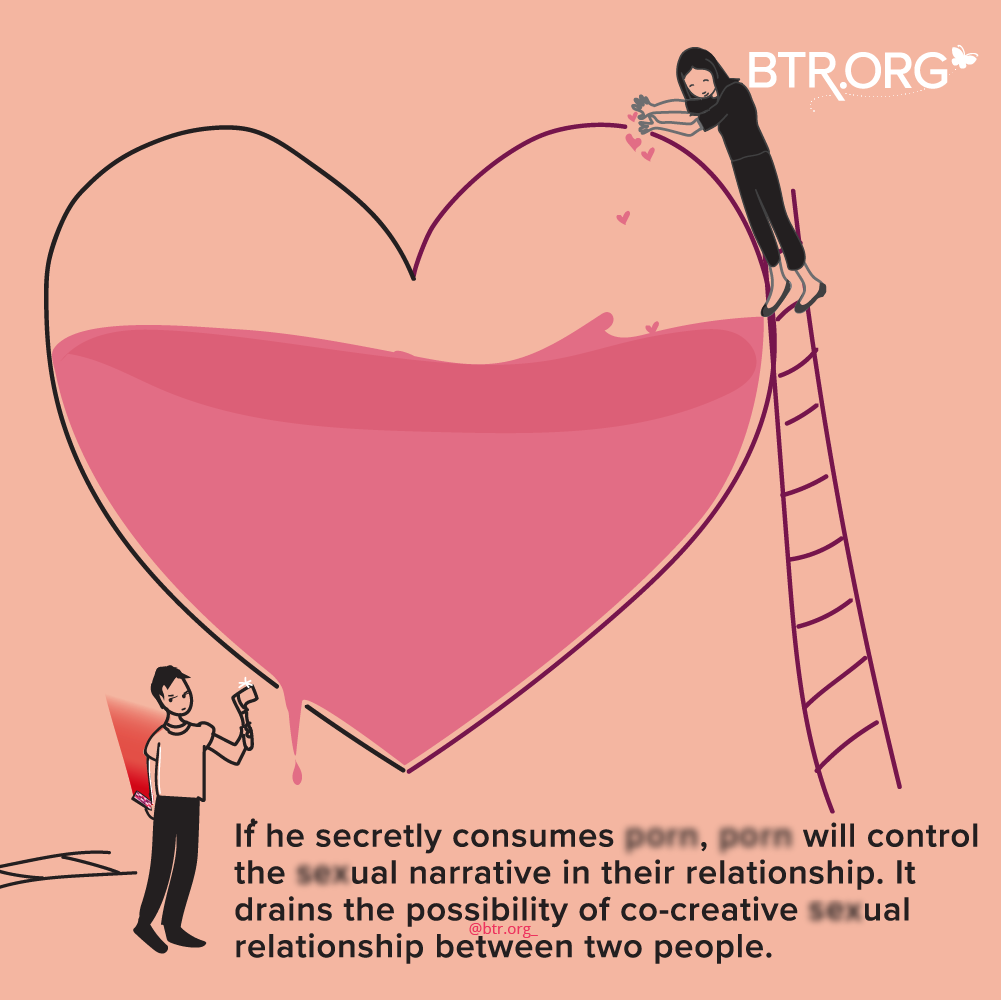
Early signs of Abuse in marriage
Naomi: After we got married, he had these huge outbursts of anger, and said horrible things. I quickly learned that if I stayed in line with what he wanted, those did not occur as often.
And so I very quickly learned to anticipate what might cause angry outbursts. To avoid the name calling and the yelling and throwing things and stuff like that.
Anne: Which is the purpose of abuse: to coerce someone to do what you want, rather than a healthy way of interacting, being honest and asking them nicely and giving them the ability to choose for themselves. Often when you know your husband has a addiction, they’ll use coercion in really subtle, even kind ways to stop you from talking about it. This is one thing that can help you deal with an addict husband.
When did you discover your husband’s addiction? from talking about it.
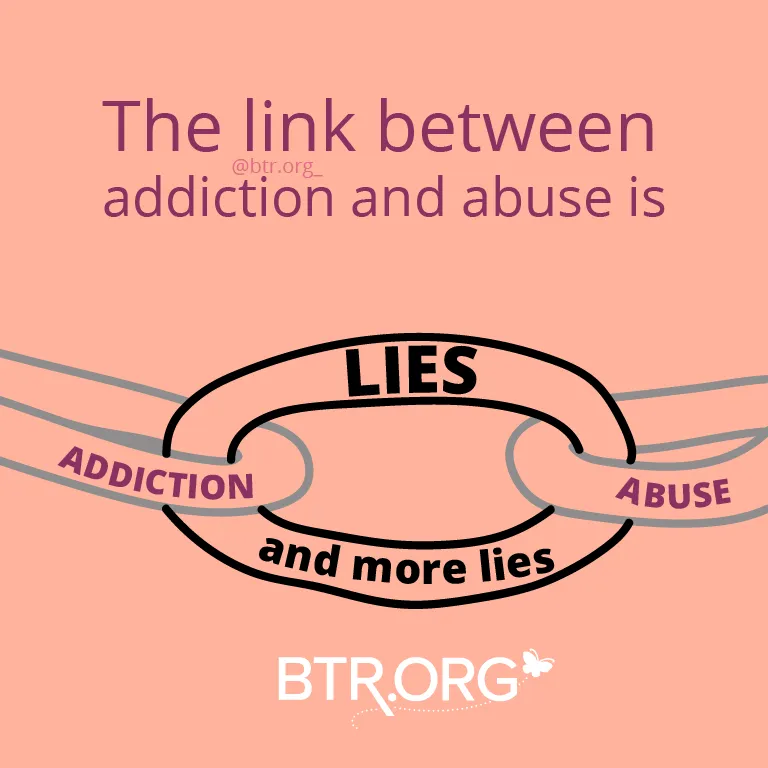
Discovering the truth, how to know if your husband has an Addiction
Naomi: About three years into our marriage, I discovered he was involved with a woman. At that point, I was willing to take most of the blame. I had said, obviously I’m not meeting your needs. We need to go see a counselor. We need to talk to the bishop. Let’s work this out. And so he acknowledged he was using pornography. I am pretty smart and I’m quick with computers.
I checked up on him a lot. He’s also very smart and very, very good with computers, and so he quickly learned how to avoid getting caught. So we kind of played this game for a while, where I would check up on him a lot, but eventually I couldn’t catch him anymore because he figured out all the ways that I was checking up on him and he found ways around them.

the patterns to know if your husband has an addiction
Naomi: And then about four years later, I discovered he was involved with a girl at work, and there were other women in between, so we separated. I was staying with my parents. The two bishops I worked with really wanted me to work it out with him.
I didn’t know what else to do, and he was good at convincing me that he was going to change things, and that things were going to get better. So I stayed, and then I caught him involved with a girl again. She was staying in his hotel.
And so at that point, I said, we need a separation. That’s the point when someone brought up my husband’s addiction for the very first time.
When a therapist doesn’t know if your husband has an addiction
Anne: So was this from a therapist? They didn’t help you identify the abuse, but they said your husband has an addiction?
Naomi: So we had been to therapists, we went to therapists the whole time, through 11 years.
But I didn’t realize he was abusing me, and I didn’t think my husband has an addiction either. They never said the word addiction. It was just a pornography problem. Something that he needed to address. At that point, I discovered a lot more about sex addiction. Gaslighting, table turning, grooming.
Understanding Gaslighting
Anne: Could you provide examples of how your husband was gaslighting you?
Naomi: One of the first ones that comes to my mind is when I sensed something was wrong. I always felt like something was wrong, but every once in a while I would just feel it strongly.
And so I’d be like, is everything okay? Is there something going on maybe that you need to tell me about? He would say, you know, eventually you’re going to figure out that that’s just your paranoia or he would question everything I said. Because he is genuinely a very, very intelligent person.
It would leave me feeling like maybe I was crazy. Maybe it was me. He would turn things around, and he would say other people could see it, as well.
Separation
Naomi: We separated, and he still claimed it was going to get better. But when I set boundaries, he decided I was holding him back, and he left.
He did not file for a divorce, but he asked me to do it.
I didn’t want a divorce, but I did what he wanted.
How to know if your husband is recovering from a sex addiction
Naomi: It was good for me to let go and say, this isn’t my problem anymore. But I didn’t want to at the time, and I was devastated.
I didn’t recognize gaslighting as abuse. It took me until after the divorce to recognize that there was abuse, that there was anything other than pornography use.
I read one of the articles you had put out there, and it was talking about ways to recognize whether someone was actually working addiction recovery. I started recognizing a bunch of things that were still going on in my interactions with him after the divorce. Before that, I had had therapists advise me to read a book.
As I read the book, I thought, you know, this doesn’t really seem like me. And then, after reading your article, I read it again and I was like, holy cow, this is exactly me.
He would attack me, but at the end of his attacks, when I was upset, he’d say things like, “You just hate that someone else thinks differently than you, and you can’t control what they think.”
And I would believe him, because I was feeling upset by that point. And so I was like, yeah, I feel upset about what he’s thinking. I didn’t recognize that his attack was actually the cause of what I was feeling.
But there were times when I had great clarity, and I realized that I didn’t deserve to feel guilty. And then I started listening to different things, like your betrayal trauma podcasts. And I started recognizing slowly that he wasn’t very nice, and I started recognizing my feelings and emotions.
The emotional toll when you know if your husband has an addiction
I buried my emotions deep so that I could just get through each day. But they started coming out, you know, as I’d remember things and think about things that would be different. I noticed I was happy, and I hadn’t felt that in a while. It was because I got away from his abuse and had confidence in myself.
I didn’t feel like I constantly had to please someone else, or there were going to be huge repercussions. My relationship with my children became even better, and it was pretty good. They were struggling, and as we worked through it together, finding ways to talk about things that were hurting them inside. I gained confidence in my mothering skills and everything around me, where I hadn’t even realized I hadn’t had confidence before.
While listening to betrayal trauma podcasts, I started to recognize just more and more and thought, Oh my goodness, this was way worse. I think when you’re in the situation at the time, you can’t think about how horrible it is, because that would be too hard to handle the situation itself and recognize how bad it is.
Final Reflections on how to know if your husband has an addiction
Naomi: For a lot of people, it comes after.
Anne: Yeah, I experienced the most trauma after he left the home. And I realized how bad it was. Yeah, it’s shocking.
Naomi: And it was your podcast.
It was the Betrayal Trauma Recovery podcast that really helped me recognize. A lot of times I think for the professionals, it’s hard to say abuse. It’s hard to say those words and it’s hard to talk about abuse like grooming, gaslighting, things like that. But it’s really important for the survivor of abuse to hear those words and to understand what really happened to them.
And once they do hear those words. It’s life saving, because it helps you recognize why you had the reactions that you did, that it was really that bad. And that’s why you’re feeling the way that you’re feeling. It was really important.
Anne: Naomi. Thank you so much for sharing how discovering your husband’s addiction helped you realize that he was abusive to you emotionally, psychologically, and even sexually. Your story will help other women struggling to know if their husband has an addiction. Thank you for sharing it.

In the case of abusive people, like those with narcissistic personality disorder, they can also tell you their “story” and it may or may not be true, or parts of it may be true, but people like this start believing their own lies and it becomes their “reality”. So when you are communicating with people with personality disorders or pathologically driven issues, remember that their “truth” can be a manufactured part of their own “reality”. It is scary if you think about it, how disturbed these people we lived with can be.
This ^^^^^
Thank you for sharing your story, Kathleen. My experience is very similar. If the church as a whole followed the New Testament discipline for abuse and sexual sin, then maybe we could trust their help. But, until then, it is not a safe place for victims. Thanks Anne for all you do!
I’m wondering what it was the local shelter considered abuse? It would’ve been good if more of that was expounded on because of heard of other women calling and then saying it’s not abuse.
Some shelters don’t help women who “only” experience emotional and psychological abuse. Some shelters only help if there has been a crime involved. BTR specializes in emotional and psychological abuse and sexual coercion.
I was introduced to this site by a member of my Facebook Covert Narcissism support group. This story resonated with me SO MUCH! I was in a 35 year relationship with additional personality complications as well as challenges with online infidelity. I glean something new every time I listen to it. Phenomenal work you are doing in this organization!
Yes!!!
This is the best article that defines what is a sex addict. The sex addiction recovery industrial complex doesn’t recognize that this is just plain old abuse. For decades, sex addiction experts enabled my husband’s abuse.
My estranged husband led a double life that I found out about when he almost died, he confessed on what he thought was his “death bed”. We’d been together 30 years by then.
t’s so true that using exploitative material causes so much pain!
Once I knew the narcissistic abuser’s secrets, more and more abuse started, emotional, psychological, spiritual, financial. He also disappeared three times in less than two years after I knew. I had no idea he was a sex addict. But your podcast helped me figure it out. Thank you!
He was so good at smooth talking, convinced me early on in the relationship that we’d be married and have children.
Immediately after becoming pregnant, his sneaky behaviors started unveiling. I started finding websites, ex girlfriends, classmates from school, coworkers, random women, etc. I would have heart felt lengthy discussions with him each time about how important honesty and loyalty is to me, he reassured me every time how important I was to him. The more I found, the more he restricted my access, and I kept wanting reassurance from him that I was enough and he was true to me, even though his actions proved otherwise.
Again and again he’d “slip” and I would find out the truth about his dirty secrets. He’d blame me for being “overbearing” “needy” “pregnant and gross”. My pregnancy was one of the worst experiences of my life, I didn’t want kids before being with him and I was afraid of not being a “good enough” mom, not to mention all these added insecurities from his abuse. I didn’t feel beautiful for even a second during my pregnancy because I allowed him to make me feel worthless.
I gave birth to our son, unexpectedly I found myself to be so happy with my baby. I began realizing then that I deserved better and so did our child, only then I began trying harder to feel good about myself, and I could see his resentment in me. This is when the verbal abuse started, he would start calling me names, mocking me, belittling me, blaming me, and stonewalling me. I felt trapped, having a child together, living together in a different state that I hated, financial ties, and a lack of morally sound family members to help me.
It didn’t take long for him to beat me down emotionally worse than ever before, the gaslighting, lying, manipulation, etc., was so bad! I was in so much pain, and the counselor we went to never really addressed the real issues. I remember how much it hurt emotionally but I felt like I deserved it.
We moved back to my home state, believing this was a new beginning for us. Although he seemed so supportive at times of the idea of moving back, he quickly resented me for it and blamed me for anything and everything he could.
I was the only one working after moving, as he stayed home and did disgusting stuff. I would come home knowing what he was doing and feeling completely helpless, in pain and frustrated, yet he would verbally abuse me for trying to express my feelings. I begged him to stop, but the usual lying, denying, blaming, mocking, etc., would occur.
I always held hope he would make the changes necessary for our family’s safety and security, but when I started standing up for myself and not backing down his behavior only got worse. I confronted him, hoping he’d admit the truth, and come to a realization about how bad it was then finally make the changes necessary, but this was obviously a false hope.
Eventually he’d break down and threaten his own life, I told him he needed help and that I wasn’t going to stay with someone so mentally ill that clings to this filthy behavior, not to mention our son was growing older and I didn’t want that for him or us anymore.
I had no idea sexual addiction was even a thing back then. I just thought it was all a choice, like he was just choosing to be a disgusting, lying, manipulative partner. I didn’t even know people could get addicted to that kind of thing or how deep it could go. Looking back, I can see now that he had every sign of it, but I didn’t have the tools or knowledge to understand. Even if I had known, the way he refused to take real accountability or seek actual help makes me think he still wouldn’t have changed.
I asked him to voluntarily get help, surprisingly he did . . . sort of. Out of desperation, he checked himself into a mental facility, but never spoke a word of the truth to them. He never admitted to the disgusting things, the abuse, or anything. He told them he was just depressed. That was his chance at help, but chose not to utilize it to the fullest extent. He lied, and manipulated me into believing and thinking he was a new man, that he totally changed and adapted these new behaviors.
The manipulation was so bad, he convinced me that I was always the issue, and that he needed to implement changes so HE would feel safe around me. Putting locks on his devices, secretly going to places with internet, and abusing me emotionally and mentally worse than ever before. I continued finding evidence, and confronting and lies and more lies would be told. I was beaten down to absolutely nothing, believing my life was worthless and meaningless.
He still blames me for all of it. He never took true accountability. I’ve come to accept the fact that he is a narcissist and can’t see any fault in himself.
But I also have come to know I will NOT accept those behaviors ever again! I have enough strength now to decide my future.
I’m so glad you’re getting stronger. Welcome.
Hi Anne,
I love the content of this episode, I love your message and your knowledge, and love that you also have other people sharing their perspectives. I also wondered if my husband was a sex addict, and your podcast has helped me so much!