
Are you looking for a therapist for trauma bonding because someone told you that you’re trauma bonded with your emotionally abusive husband (or ex)? Here’s what no one will tell you:
What People Get Wrong About “Trauma Bonding”
People often use the phrase “trauma bonding” to describe a victim’s attachment to an abusive partner.
But traditionally, a trauma bond refers to something very different.
True Trauma Bonding Examples
A trauma bond forms when people go through a traumatic event together, such as:
- Siblings growing up in the same abusive home
- Friends surviving a violent घटना together
- A family experiencing a natural disaster
In these cases, shared trauma created a bond. Both people were victims of the same event. That’s not what’s happening in an abusive relationship.
Why “Therapy for Trauma Bonding” Can Be Misleading
If you’re thinking about getting a therapist for trauma bonding, you may be trying to understand why you feel attached to someone who hurts you. But labeling your experience as a “bond” can unintentionally shift responsibility onto you.
It can make it seem like:
- You’re choosing this connection
- You’re emotionally dependent in a way that’s your fault
- You need to “break your attachment”
But what if the attachment isn’t something you created? What if he manufactured it?
The Manufactured Relational Tether
Instead of a trauma bond, what many women experience is something different: A manufactured relational tether.
This happens he creates a cycle of:
- Chaos
- Confusion
- Emotional harm
- Intermittent relief
He destabilizes you…then becomes the one who soothes you.
Not because you chose it.
But because it was engineered. It’s actually emotional abuse. To find out if you’re experiencing this, take my free emotional abuse test.

How to Break a Trauma Bond without Therapy
If you’ve been told you need therapy for trauma bonding, you may feel…
- dependent on him, even when you don’t want to
- both drawn to him and repelled by him
- confused by his words vs. his actions
- frustrated with yourself for not “just leaving”
- like this must somehow be your fault
- relief when he’s kind—even if it’s brief
That doesn’t mean you’re “bonded” to him. But it does mean that he’s lying to you by creating cycles of harm and relief. If you’re trying to heal from your marriage without therapy, there’s another way. I’ll share it with you below.
14 Signs You Don’t Need a Therapist for Trauma Bonding
He withdraws, then gives affection when you’re distressed when he…
- isolates you from supportive people
- makes you doubt your perception of reality
- alternates between kindness and cruelty
- controls resources like money or access
- undermines your confidence
- creates problems he later “fixes”
- pushes your boundaries repeatedly
- positions himself as the victim
- uses other people to provoke insecurity
- gives approval only sometimes
- acts different in public vs. private
- promises change but doesn’t follow through
- blames you for his behavior
- witholds affection
This isn’t a mutual bond. It’s a pattern of control.
Why This Distinction Matters
If you believe you’re “trauma bonded,” you may think, I need to heal myself to break this bond.
But if what you’re experiencing is manipulation, then the path forward is different. You don’t need to fix yourself.
You need clarity.
One woman shared:
“I thought I was the problem because I couldn’t detach.
But once I understood the pattern, everything changed.”
Moving Forward (Without Blaming Yourself)
Here’s the think, I don’t think you need therapy for trauma bonding, but that doesn’t mean you don’t need support. You may need someone to help you:
- See the pattern clearly
- Understand emotional and psychological abuse
- Learn how to protect yourself
- Rebuild trust in your own perception
At Betrayal Trauma Recovery, women learn how to step out of confusion and into clarity.
And once you can see it clearly, you can begin to move forward—with truth, with support, and with your sense of self intact.
So how do you break free…
- Open up to a safe person or safe group, check out my online trauma bond support group.
- Become educated about betrayal trauma and what causes it
- Practice radical self-care daily
- Take my Living Free Workshop.
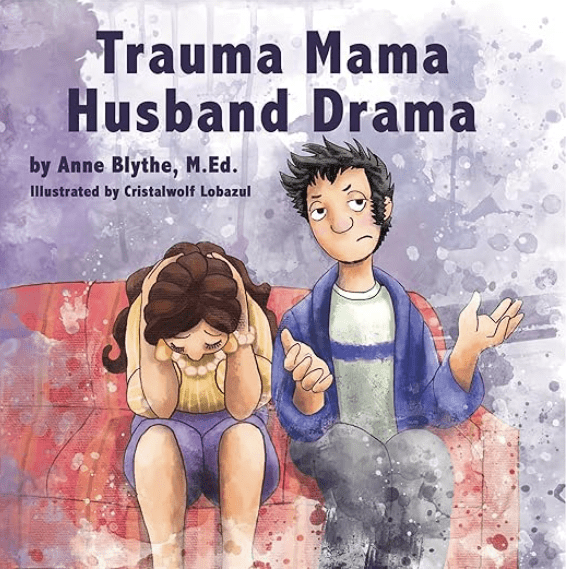
Many women don’t realize how dangerous this type of manipulation is. In fact, experts who work with trafficking victims describe the exact same cycles:
- grooming
- confusion
- emotional dependency
- intermittent kindness
- fear of leaving
- hope that he’ll change


0 Comments